Professional Siding Solutions: Safeguarding Your Home While Improving Its Appearance
Professional siding solutions provide two key functions: they protect homes from the elements and enhance visual appeal. As homes age, symptoms including fractures and moisture accumulation suggest the importance of timely replacement. Selecting premium materials suited to local weather conditions can greatly impact lasting strength and energy savings. Skilled installation by experts is critically important. Recognizing these considerations is crucial for residents thinking about an improvement. Which elements should homeowners consider before committing to this investment?
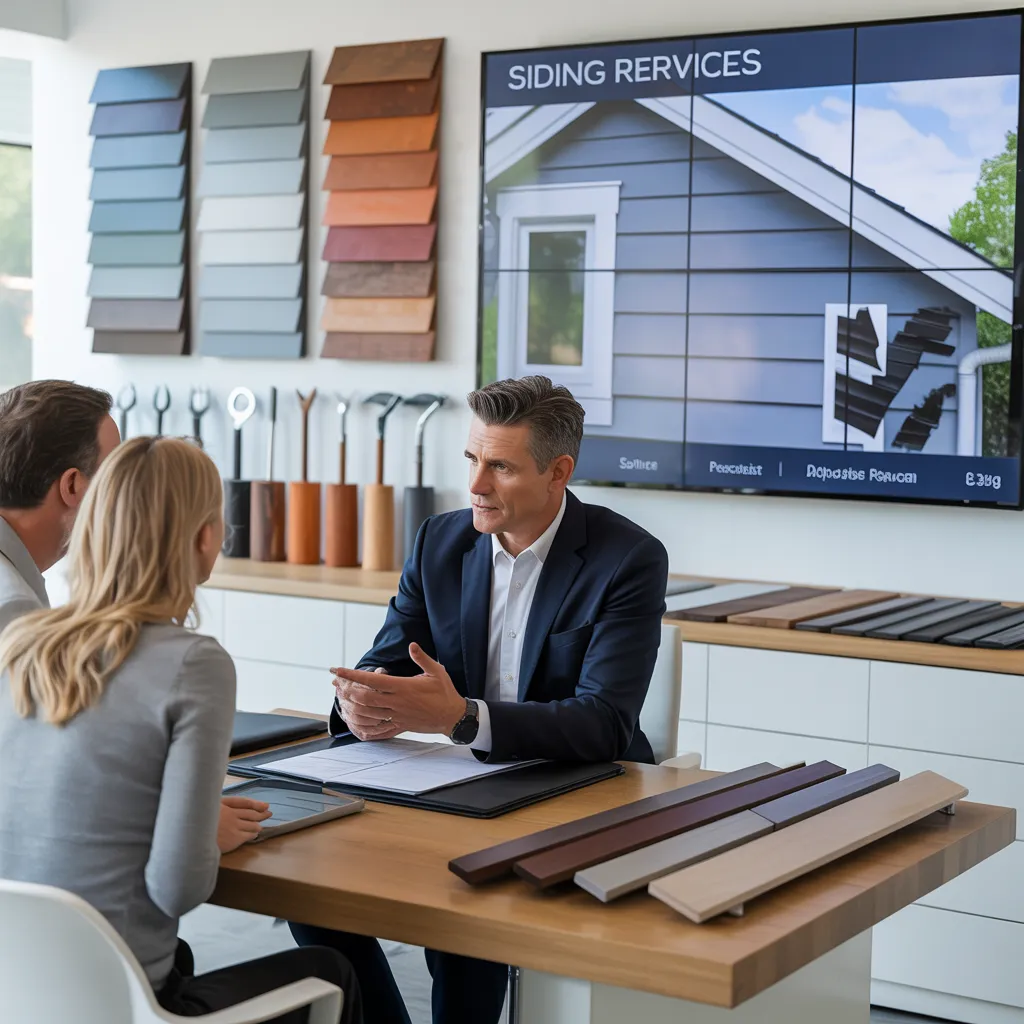
How to Know When Your Siding Should Be Replaced?
When is it time for homeowners to replace their siding? Homeowners should be attentive to several signs indicating that siding replacement is necessary. Apparent damage like cracks, warping, or peeling paint may weaken the exterior's durability and overall look. Furthermore, signs of moisture or mold can indicate deeper problems that could result in expensive repairs if ignored. Should energy costs start increasing without explanation, this could signal poor insulation caused by deteriorating siding, warranting a closer look at the home's exterior. In addition, the age of the siding is a critical factor; the majority of siding materials last between 20 and 30 years. Lastly, if outside noise levels seem to be increasing indoors, it could be an indication that upgrading to a more sound-resistant siding is warranted. Identifying these indicators promptly can assist in preserving the home's safety and visual charm while avoiding further issues down the line.
The Importance of Quality Siding for Your Home
High-quality siding plays an essential role in a home's overall performance and appearance. It elevates energy efficiency by delivering improved insulation, which can produce lower utility bills. In addition, premium siding substantially increases curb appeal, leaving the property more eye-catching to future buyers and onlookers.
Energy Conservation Benefits
Energy efficiency is an essential aspect of modern home design, and the choice of siding is a key factor in achieving it. Quality siding materials, such as insulated vinyl or engineered wood, offer exceptional thermal insulation, helping to preserve steady interior temperatures. This minimizes the need for heating and cooling systems, ultimately leading to lower energy bills. Additionally, properly installed siding reduces air infiltration, further strengthening a home's insulation. Those who choose high-quality siding materials not only enhance their home's thermal performance but also contribute to a sustainable environment by lowering their greenhouse gas emissions. To sum up, picking the appropriate siding is key to maximizing a home's thermal efficiency, making it an intelligent choice for lasting comfort and reduced costs.
Curb Appeal Enhancement
Although siding selection might appear to be a small consideration, it significantly influences a home's complete exterior appearance. Superior siding can convert a simple house into a welcoming abode, enhancing its aesthetic appeal and reflecting the homeowner's style. A wide range of materials, hues, and textures provide opportunities for individualization, enabling homeowners to create a unique look that stands out in the neighborhood. Additionally, well-maintained siding can increase property value, making it an essential investment. Prospective buyers frequently place high importance on exterior aesthetics, and superior siding frequently becomes a determining element. Ultimately, choosing the right siding not only protects the structure but also elevates its charm, positioning it as a key factor in developing a stunning, hospitable dwelling.
Selecting Siding Materials: Factors to Consider
Picking the ideal siding materials is essential for improving a home's visual appeal and longevity. There are several key factors homeowners should evaluate before making this choice. To begin with, climate is a major factor; choices such as vinyl or fiber cement are often ideal for locations that experience severe weather conditions, while wood siding can offer charm in temperate climates.
Furthermore, maintenance considerations differ; some materials require regular painting or staining, while others need almost no maintenance. Cost is another significant factor; choices span from affordable vinyl to premium natural wood or stone.
Energy efficiency should also be assessed, as certain materials provide better insulation, which may reduce energy costs. Additionally, homeowners should consider their home's architectural style to ensure that the siding enhances its overall aesthetic. By weighing these factors, homeowners can identify siding materials that boost both visual appeal and lasting performance.
Reasons to Hire Professional Siding Installers
Opting for experienced siding specialists can significantly improve the quality and lifespan of a home's exterior. These professionals carry a depth of knowledge, ensuring that the work is carried out to the greatest level of quality. Their in-depth knowledge empowers them to manage potential complications, such as improper alignment or inadequate sealing, which can result in expensive repairs in the future.
Furthermore, skilled installers are outfitted with the appropriate tools and supplies, which can significantly decrease installation time and upgrade the overall finish. They also remain informed about local construction codes and regulations, confirming compliance and minimizing the likelihood of fines or rework.
Moreover, enlisting skilled professionals often features guarantees on both materials and labor, providing homeowners confidence. This level of assurance, alongside the functional and aesthetic advantages of skilled installation, highlights the value of relying on qualified professionals for siding projects.
Elevating Curb Appeal With Siding Solutions
Selecting the best siding can significantly enhance a home's exterior appearance. Color choices, combined with various finishes and materials, permit homeowners to craft a standout look that showcases their personal aesthetic. By weighing these factors, individuals can reinvent their house into a visually appealing and inviting space.
Color Selections Are Important
In what ways can the ideal color enhance a home's exterior? The decision regarding siding color plays a major role in a home's curb appeal, defining the character of its overall look. Pale hues can create the impression of a larger and more appealing space, whereas deeper tones can convey a sense of elegance and refinement. Bold colors capture the eye, helping a home distinguish itself within the neighborhood, while muted tones offer a classic, timeless look. Additionally, the right color can harmonize with landscaping and architectural features, creating a cohesive appearance. Homeowners should consider their personal style, local climate, and neighborhood trends when selecting colors. At the end of the day, deliberate color decisions not only boost a home's visual appeal but also mirror the homeowner's individuality, guaranteeing the space feels warm and well-kept.
Material And Texture Options
A wide range of textures and material choices can significantly improve a home's visual appeal, providing homeowners with the chance to create a unique impression. Siding materials such as vinyl, wood, and fiber cement all offer individual design appeal and structural resilience. Vinyl siding, celebrated for its ease of upkeep, is available in various textures that mimic natural materials. Although wood siding demands greater maintenance, brings warmth and classic charm, available in smooth or rough-hewn finishes. Fiber cement siding merges the advantages of multiple materials, providing durability alongside diverse textures such as stucco and wood grain. These selections empower homeowners to personalize their property's facade, improving both the visual charm and market value of the home. Selecting the right combination can transform any home into a stunning masterpiece.
Maintenance Tips for Long-Lasting Siding Performance
Regular maintenance is vital for preserving the lifespan and quality of home siding. Residents should commence by cleaning their siding at least twice a year to eliminate grime, mold, and accumulated debris. A gentle pressure washer or a soft brush with a mild detergent can effectively maintain its appearance without causing damage. Examining the siding for fractures, warping, or detached panels is necessary; tackling these matters without delay can ward off more substantial damage. Moreover, residents should maintain detailed information sufficient drainage around the base to minimize water-related harm. Applying a protective sealant can enhance durability, particularly for wood siding. It is equally recommended to refinish or restain every couple of years, as this safeguards against environmental exposure. Finally, regular checks on caulking around windows and doors will guarantee airtight seals, reducing energy costs and further extending the siding's life. These proactive steps contribute to maintaining both aesthetics and functionality.
Questions We Often Receive
How Much Time Does Siding Installation Usually Require?
Siding installation typically takes anywhere from one to three days, according to the project's size and overall complexity. Factors like weather conditions and the type of siding chosen can affect the overall duration of the project as well.
What Are the Prices Associated With Siding Replacement?
Siding replacement pricing can differ significantly, typically ranging from $5,000 to $15,000 depending on materials, labor, and home size. Property owners need to account for extra costs, such as removal of old siding and potential structural repairs.
Can New Siding Be Installed Over Existing Siding?
Indeed, new siding is installable over current siding, but it's vital to guarantee the existing structure is stable. Adequate insulation and moisture barriers are critical for avoiding problems such as rot or mold.
What Types of Warranties Are Offered for Siding Products?
A variety of siding products include warranties that range considerably, typically covering material defects for durations of 20 to 50 years. Workmanship warranties may additionally be provided, ensuring workmanship for a predetermined period, often ranging from one to ten years.
What Is the Best Way to Pick a Siding Color That Matches My Home?
To choose a siding color that suits a home, one should consider the style of the architecture, surrounding outdoor scenery, and neighboring homes. Color samples assist in visualizing choices, while referencing color wheel guides strengthens the overall selection process.